Felling: Why it’s about more than just cutting down trees
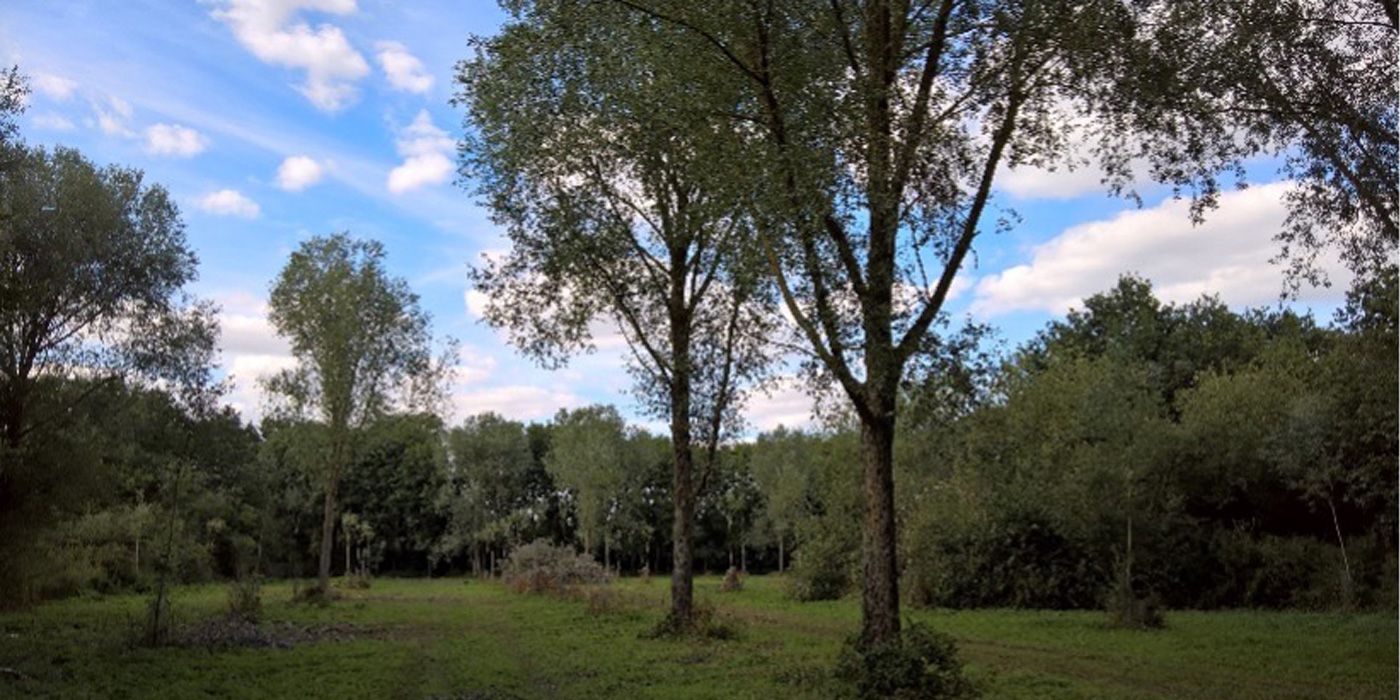
When it comes to felling trees to create our World Cup-winning cricket bats, it’s more than just cutting down trees.
It’s about carefully inspecting and selecting the best trees with the right type of willow, but also clearing trees of an inferior quality, diseased or damaged to make way for new trees.
So, how do we ensure the trees we fell are the right ones?
And what do we do to ensure the whole process is sustainable?
Step 1: Before felling begins
When we look at felling jobs, we work with and visit landowners on multiple sites to ensure the trees are the correct type of willow and of a suitable quality to cut down.
To do this, we measure the trees, which should:
Have a circumference at four feet (142.3 cm) from the ground of at least 58 inches (147.5cm).
Be at least 84 inches (213.5cm) from ground level to its first branches.
Trees are ready once they reach these measurements. Once a site has been identified, we take the information we have acquired and calculate the trees’ value.
Step 2: What we need to do before felling can begin
When our willow tree buyer visits each site, he has to take into account the following:
– What is the access like to the site?
– Does fencing need removing and putting back up?
– Do overhead wires need switching off before felling begins?
– Is any topping required?
– Estimate how long all of the above and felling of the trees will take.
If we are putting in extra trees we can put together an ongoing agreement with the landowner to plant up more land and guarantee we can buy the trees back when they are mature.
Step 3: We put in an offer
When step two is complete, we make an offer, either per tree or with a price for the good trees and a price to clear damaged or worthless tree. We provide details of payment terms and any other work we recommend to make best use of the site.
Step 4: We apply for a felling licence
Once our offer is accepted, we apply for a felling licence from the forestry commission and a burning permit to dispose of the small branches and leaves.
Step 5: The tree felling commences
After the felling licence is granted, we plan the felling depending on the weather and if there are fields present we don’t have access to until the farmer has cut his crops. We select the most suitable felling gang for the job and book them in on an agreed time and date with the landowner, on which the trees are felled per full governmental tree felling guidelines.
Step 6: Replanting
Our work doesn’t stop once the trees are cut down. When the job is complete, an order for willow sets is put in our order book, so trees are replanted the following winter planting season.
Step six is so important; without it, our work just wouldn’t be sustainable.
To find out more about our sustainability practices, visit our Sustainability page.
Want to plant willow trees on your land?
Then why not talk to us?
At JS Wright & Sons, we have over 125 years of experience growing and supplying English cricket bat willow to cricket bat manufacturers. Take advantage of our knowledge and partner with us to produce some of the country’s finest English cricket bat willows by planting willow trees on your land.